
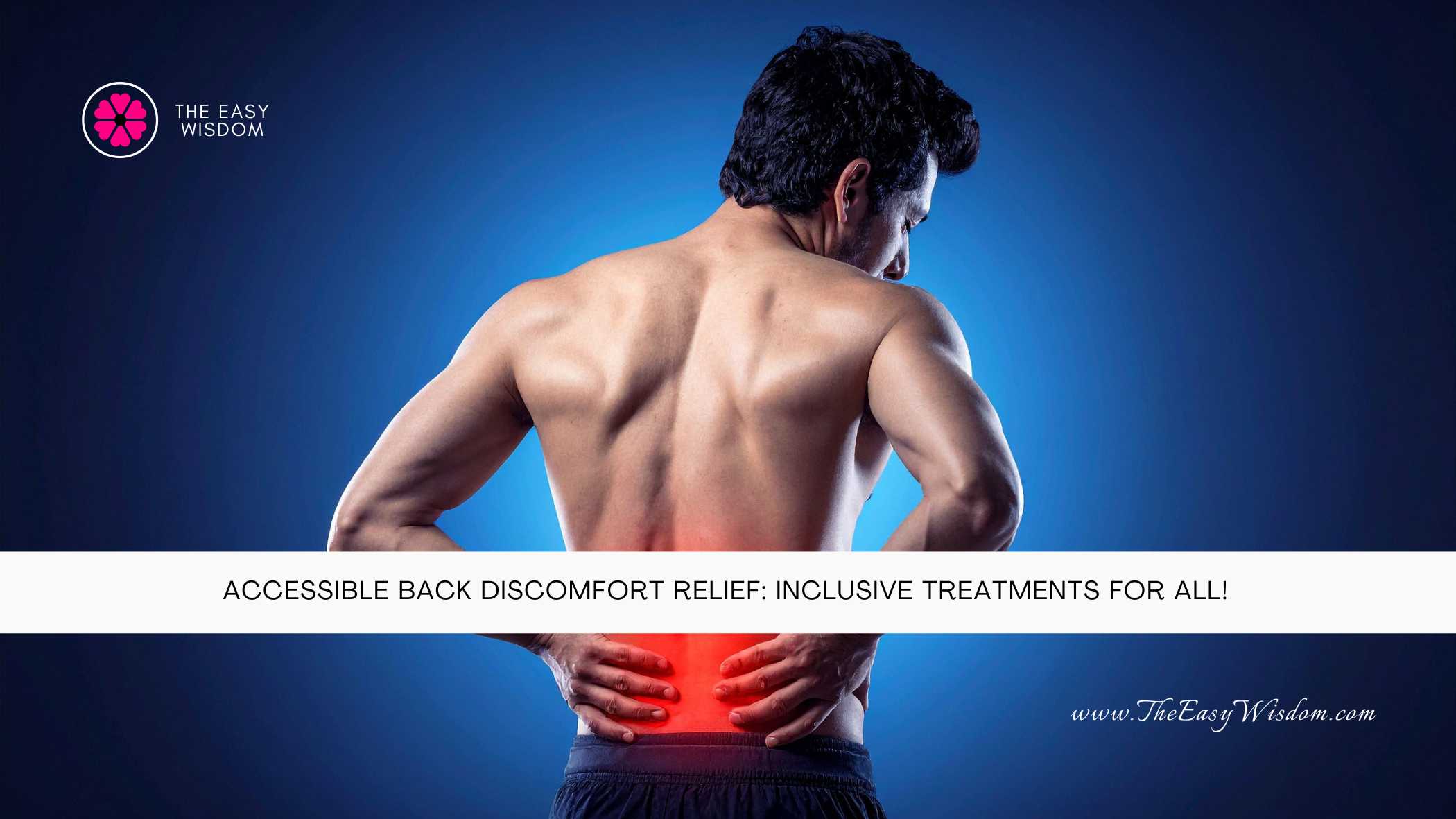
In a world where physical comfort is often taken for granted, back discomfort remains one of the most pervasive issues affecting people from all walks of life. Whether it’s a fleeting ache from a long day at work or a chronic condition that limits mobility, back pain doesn’t discriminate based on age, profession, or ability. Because comfort should be accessible, back discomfort relief must work for people of all abilities. Everyone deserves inclusive, practical solutions that reduce pain and support daily movement, regardless of physical limitations, mobility challenges, or health conditions. Effective care adapts to individual needs, offering personalized strategies that promote independence, improve comfort, and support long-term well-being for everybody.
This article delves into the multifaceted nature of back pain, exploring its causes, the unique challenges faced by individuals with disabilities, and a wide array of inclusive relief options. By emphasizing accessibility, we aim to empower readers to reclaim their comfort through informed, compassionate approaches. From gentle therapies to lifestyle adjustments, we’ll cover practical, evidence-based methods that prioritize inclusivity, ensuring that no one is left behind in the pursuit of a pain-free life.
Back discomfort affects millions globally, with statistics from the World Health Organization indicating that it is a leading cause of disability worldwide. For those with varying abilities, the stakes are even higher, as untreated pain can exacerbate existing conditions and hinder independence. This comprehensive guide not only highlights the importance of accessible care but also provides detailed insights into implementing these strategies in everyday life. By the end, you’ll have a deeper understanding of how to make comfort a reality for all.
Understanding Back Discomfort Across Different Abilities
Common Causes of Back Pain
Back discomfort can stem from a variety of sources, often intertwined with daily activities and underlying health issues. One of the most frequent culprits is poor posture, which places undue strain on the spine’s natural curvature. Prolonged sitting, especially in unsupportive chairs or while hunched over devices, leads to muscle imbalances and tension in the lower back, neck, and shoulders. Muscle strains from lifting heavy objects incorrectly or sudden movements during sports are another common trigger, resulting in inflammation and spasms that can last days or weeks.
Herniated discs, where the soft cushioning between vertebrae protrudes and presses on nerves, cause sharp, radiating pain often felt in the legs—a condition known as sciatica. Degenerative conditions like osteoarthritis erode joint cartilage over time, leading to stiffness and chronic discomfort. Lifestyle factors, such as obesity, which increases spinal load, or smoking, which impairs blood flow to spinal tissues, further compound these issues. Even stress plays a role, as it tightens muscles and amplifies pain perception through the body’s fight-or-flight response.
Unique Challenges for Individuals with Disabilities
Accessible back discomfort relief options are for individuals with disabilities, as back discomfort presents additional hurdles that intersect with their specific conditions. Those with mobility impairments, such as wheelchair users, may experience uneven pressure distribution on the spine due to prolonged seated positions, leading to pressure sores or exacerbated curvature issues like scoliosis. Neurological disorders, including multiple sclerosis or cerebral palsy, can cause muscle weakness or spasticity, making it difficult to maintain supportive postures and increasing the risk of falls that aggravate back pain.
Sensory disabilities, like visual impairments, might lead to compensatory movements—such as awkward twisting to navigate environments—that strain the back over time. Cognitive disabilities could affect adherence to pain management routines, requiring simplified, adaptive strategies. Additionally, access barriers, from inaccessible medical facilities to a lack of tailored equipment, often delay diagnosis and treatment, allowing discomfort to become entrenched. These challenges highlight the need for personalized, barrier-free approaches that consider the holistic impact of disabilities on back health.
Why Accessibility in Pain Relief Matters
Accessible back discomfort relief or accessibility in pain relief is not just a nicety—it’s a necessity for equity and quality of life. When relief options are designed with inclusivity in mind, they bridge gaps that otherwise leave vulnerable populations underserved. For instance, standard gym equipment might be unusable for someone with limited mobility, perpetuating a cycle of inactivity and worsening pain. Accessible strategies foster independence, reduce healthcare disparities, and promote mental well-being by alleviating the frustration of unmet needs.
Moreover, inclusive pain management aligns with broader societal goals, such as those outlined in the Americans with Disabilities Act (ADA), which mandates reasonable accommodations in healthcare. By prioritizing accessibility, we empower individuals to participate fully in work, recreation, and social activities, ultimately reducing the economic burden of chronic pain through preventive care. In essence, making comfort accessible ensures that back discomfort doesn’t define one’s abilities but rather becomes a manageable aspect of life.
Inclusive Back Discomfort Relief Options
Addressing back discomfort requires a toolkit of options that cater to diverse needs, ensuring everyone can find relief without barriers.
Gentle Manual Therapy & Chiropractic Care
Gentle manual therapies involve hands-on techniques to realign the body and ease tension. Chiropractic care, in particular, focuses on spinal adjustments to restore proper alignment and nerve function. These methods are adaptable, with practitioners using modified techniques for those with fragility or limited range of motion, such as side-lying adjustments instead of prone positions.
Physical Therapy & Adaptive Exercises
Physical therapy tailors exercise to strengthen core muscles and improve flexibility. For adaptive needs, therapists incorporate tools like resistance bands or aquatic therapy, which reduces joint stress in water environments accessible via ramps or lifts.
Assistive Devices & Ergonomic Support
Assistive devices, such as lumbar cushions or adjustable desks, provide immediate relief by promoting neutral spine positions. Ergonomic assessments ensure workspaces accommodate wheelchairs or standing aids, preventing strain.
Accessible Exercises & Movement (Adaptive)
Adaptive exercises modify traditional routines, like seated yoga or chair-based aerobics, to suit varying abilities. These promote circulation and muscle balance without requiring full mobility.
Non-Invasive Pain Management
Options like transcutaneous electrical nerve stimulation (TENS) units deliver mild electrical pulses to block pain signals, easily used at home with voice-activated controls for accessibility.
Daily Habit Adjustments
Simple changes, such as scheduling regular breaks to stretch or using voice reminders on smart devices, integrate seamlessly into routines, fostering long-term habits.
Real-Time Feedback from Wearable Technology
Wearables like posture-correcting sensors vibrate to alert users of slouching, with apps providing data in audio formats for visual impairments.
Holistic Movement with Yoga
Yoga emphasizes breath and gentle poses, adapted with props like bolsters for support, enhancing body awareness and reducing stress-induced pain.
Mindfulness and Stress Management
Mindfulness practices, such as guided meditations via apps with screen reader compatibility, help reframe pain perception and lower cortisol levels.
Get a Massage
Therapeutic massages release muscle knots, with mobile services or adjustable tables ensuring accessibility for all. Massages should be treated as an integral part of your holistic health.
Stay Active
Encouraging low-impact activities like walking with adaptive aids keeps joints lubricated and muscles strong.
In the realm of professional interventions, care from experienced chiropractors stands out as a cornerstone for many, offering personalized spinal manipulations that address root causes without surgery. This effective care for back discomfort often integrates with other therapies, providing comprehensive relief tailored to individual abilities.
Creating an Accessible Treatment Environment
An accessible treatment environment begins with physical modifications, such as wide doorways, adjustable exam tables, and braille signage. Training staff in disability etiquette ensures empathetic interactions, while telehealth options remove travel barriers. Inclusive policies, like flexible scheduling or interpreter services, further enhance equity, making professional help truly reachable.
Lifestyle Strategies for Long-Term Comfort
Long-term comfort hinges on sustainable lifestyle changes. Nutrition plays a key role; anti-inflammatory diets rich in omega-3s from fish or flaxseeds reduce swelling around spinal nerves. Hydration maintains disc pliability, preventing dehydration-related stiffness. Sleep hygiene, using supportive mattresses and pillows, allows nightly recovery.
Weight management through balanced, ability-appropriate activities like swimming lessens spinal load. Smoking cessation improves tissue oxygenation, aiding healing. Incorporating hobbies that promote movement, such as adaptive gardening, keeps the body engaged without strain. Tracking progress via journals or apps builds motivation, turning strategies into enduring habits.
When to Seek Professional Help
It’s crucial to recognize red flags warranting professional intervention: persistent pain lasting over six weeks, numbness in limbs, unexplained weight loss, or pain worsening at night. Sudden onset after trauma or accompanied by fever suggests urgent issues like infections or fractures. For those with disabilities, any change exacerbating existing conditions merits prompt evaluation to prevent complications.
Consulting healthcare providers early allows for diagnostic tools like MRIs or X-rays, adapted for accessibility, leading to timely treatments. Building a multidisciplinary team—doctors, therapists, and specialists—ensures holistic care.
Empowering Every Body Through Compassionate Care
Compassionate care empowers by validating experiences and co-creating plans. Education on self-advocacy equips individuals to request accommodations, while community support groups foster shared insights. Technology, from AI-driven pain trackers to virtual reality therapy, expands options, making empowerment a collective effort.
Because comfort should be inclusive, accessible back discomfort relief treatment must focus on treatment that works for people of all abilities. When we understand the causes of pain, use a range of supportive therapies, and create accessible care spaces, discomfort becomes easier to manage instead of something that controls daily life.
From adaptive exercises and professional support to simple lifestyle adjustments, inclusive back discomfort treatment, aka accessible back discomfort relief, helps reduce pain, improve mobility, and support long-term comfort. Everyone deserves care that adapts to their needs and makes everyday living more comfortable.
Comfort is not a luxury. It is a right for everybody.
Also Read: