
Key Takeaways
- Oxygen therapy delivers supplemental oxygen to individuals with respiratory issues, improving tissue oxygenation.
- It offers numerous benefits, including improved energy levels, enhanced cognitive function, and better sleep quality.
- Various methods of administration, such as nasal cannulas and face masks, cater to different patient needs.
- Safety precautions are essential to prevent potential risks associated with oxygen therapy.
Understanding Oxygen Therapy
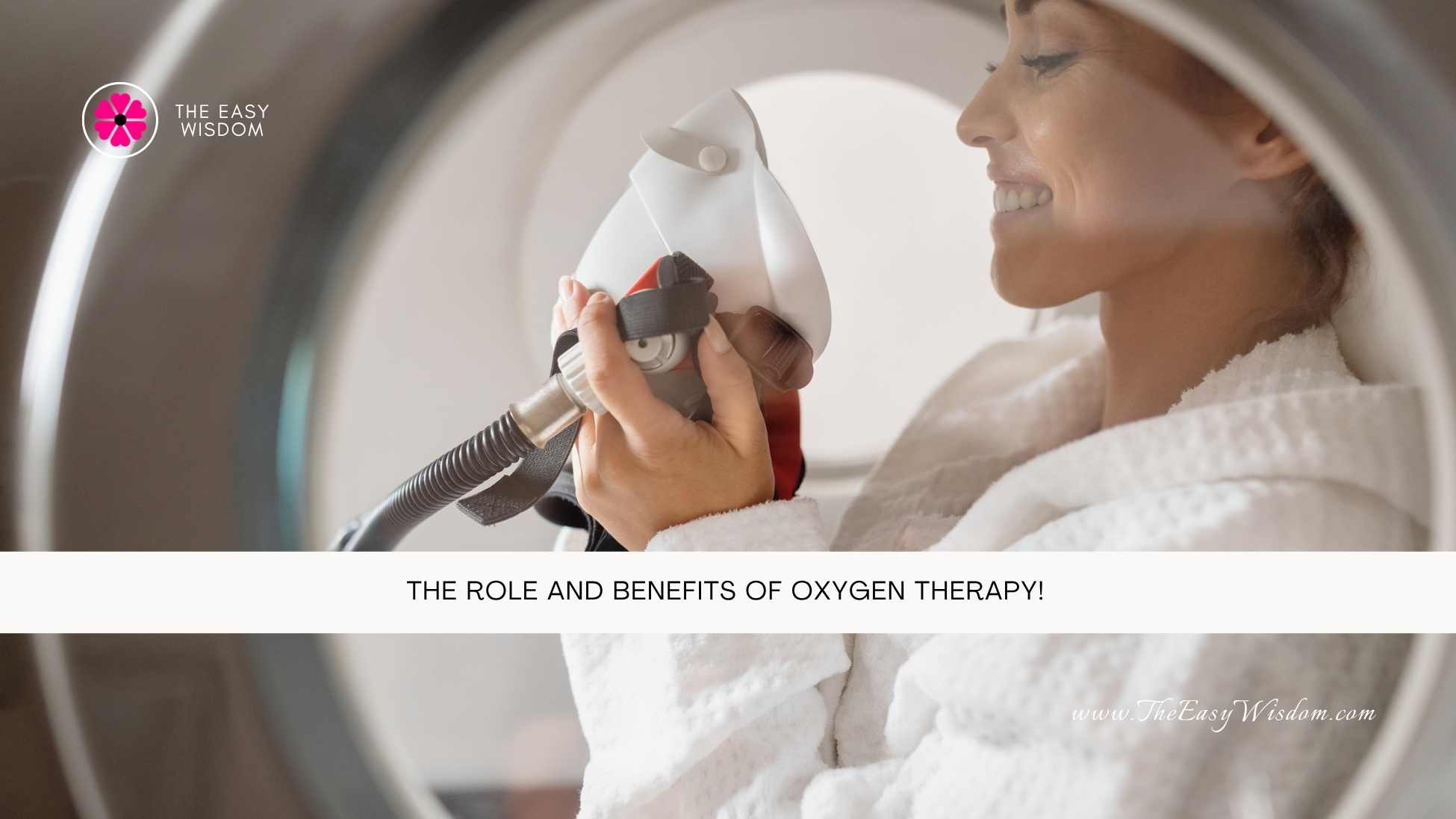
Oxygen therapy is a vital treatment designed to deliver supplementary oxygen to those who struggle with breathing difficulties or inadequate oxygenation due to underlying medical conditions. By increasing the concentration of oxygen in the bloodstream, it plays a significant role in supporting various bodily functions and improving overall health. The impact of oxygen therapy can be life-changing for many, as it helps maintain organ function, reduces breathlessness, and enhances quality of life.
Individuals who benefit from oxygen therapy often experience improved energy levels, making daily activities easier. Moreover, the therapy can be tailored to each person’s unique health needs through different administration methods. If you are interested in expanding your knowledge of this topic, especially regarding alternative oxygen treatments, you may want to learn more about what are hyperbaric chambers used for, as they represent another advanced form of oxygen delivery.
For those facing chronic respiratory issues, oxygen therapy provides crucial support for lung function and helps manage symptoms that can otherwise lead to frequent hospitalizations or diminished quality of life. Oxygen is essential to almost every cell in the body, and insufficient levels can have widespread negative effects.
This therapy is not reserved solely for acute emergencies or hospitalization; advancements in portable oxygen concentrators and home-based systems have enabled patients to receive consistent care in the comfort of their homes. The adaptability of these devices ensures that daily routines can continue with minimal interruption.
Who Can Benefit from Oxygen Therapy?
Oxygen therapy is commonly prescribed for individuals suffering from chronic or acute conditions that reduce oxygen levels in the blood. The most prevalent conditions that necessitate this treatment include:
- Chronic Obstructive Pulmonary Disease (COPD): People with COPD struggle to maintain adequate oxygenation due to progressive lung damage, making supplemental oxygen a cornerstone of their care. More on COPD and other respiratory illnesses can be found in Mayo Clinic resources.
- Severe Asthma: During acute asthma attacks, restricted airways can drastically decrease oxygen uptake, and timely oxygen therapy can be lifesaving.
- Sleep Apnea: Individuals with obstructive sleep apnea may experience repeated pauses in breathing at night. Supplemental oxygen can enhance sleep quality and mitigate morning fatigue.
- Heart Failure: Some heart failure patients have reduced blood oxygenation, and increased oxygen delivery helps reduce cardiovascular stress.
Key Benefits of Oxygen Therapy
The advantages of oxygen therapy are far-reaching, positively impacting day-to-day experiences and long-term health outcomes. Increased oxygen availability directly translates to higher energy, improved cognitive function, and reduced symptoms associated with low blood oxygen levels.
- Enhanced Energy Levels: Oxygen supports cellular energy production, benefiting those experiencing fatigue due to low oxygen levels.
- Improved Cognitive Function: Adequate oxygenation of the brain can promote better memory, quicker thinking, and elevated mental clarity.
- Better Sleep Quality: Consistent oxygen therapy can help those who suffer from nighttime breathing disturbances achieve more restful, restorative sleep.
- Reduced Shortness of Breath: Ample oxygen relieves the sensation of breathlessness, making it easier to perform routine tasks.
Methods of Oxygen Delivery
There are several effective ways to deliver supplemental oxygen. The choice of device often depends on the severity of the condition, lifestyle needs, and the doctor’s recommendations:
- Nasal Cannula: A comfortable, lightweight tube with small prongs that sit in the nostrils. It is ideal for low-flow oxygen and allows for talking and eating while in use.
- Face Mask: Used for higher concentrations, the mask covers both the nose and mouth to deliver increased amounts of oxygen for more severe requirements.
- Oxygen Concentrators: These are stationary or portable devices that pull in air and concentrate oxygen. They provide a continuous supply without frequent refilling, making them convenient for long-term therapy. For a broader overview of oxygen concentrators and their applications, visit the Centers for Disease Control and Prevention (CDC).
Safety Considerations
Adhering to safety guidelines is essential for anyone undergoing oxygen therapy. Oxygen is highly flammable, meaning that special care must be taken to prevent accidents. Smoking or using open flames near oxygen tanks or concentrators is strictly forbidden, and proper storage is required to prevent damage or leaks.
- Never smoke or use open flames around oxygen equipment.
- Secure oxygen tanks upright and handle with care.
- Check all devices regularly to ensure functionality, and contact a healthcare provider if issues arise.
Integrating Oxygen Therapy into Daily Life
Incorporating oxygen therapy into your everyday routine can be seamless with a little planning and the right tools. Modern portable concentrators allow users to enjoy outside activities, travel, or visit friends while continuing their essential treatment. Consistency is important, so setting reminders or creating daily schedules for therapy sessions can help maximize benefits and ensure optimal oxygen levels.
Support from family, friends, and healthcare professionals can help manage the transition to regular therapy and overcome challenges related to equipment use or lifestyle adaptations.
Some portable oxygen concentrators may include rechargeable batteries and easy-to-carry designs, making them more user-friendly for those with active lifestyles. With thoughtful planning, users can still attend social events, family gatherings, and even short vacations. Regular follow-up visits with healthcare providers help assess ongoing needs, monitor progress, and ensure effective therapy over time, further enhancing the sense of autonomy and well-being.
Oxygen therapy is a cornerstone of care for those with respiratory and certain cardiac conditions. Its ability to boost energy, mental function, and overall quality of life cannot be understated. By understanding the diverse benefits, delivery methods, and important safety precautions, patients and caregivers can embrace this form of therapy with confidence and hope for lasting health improvements.