
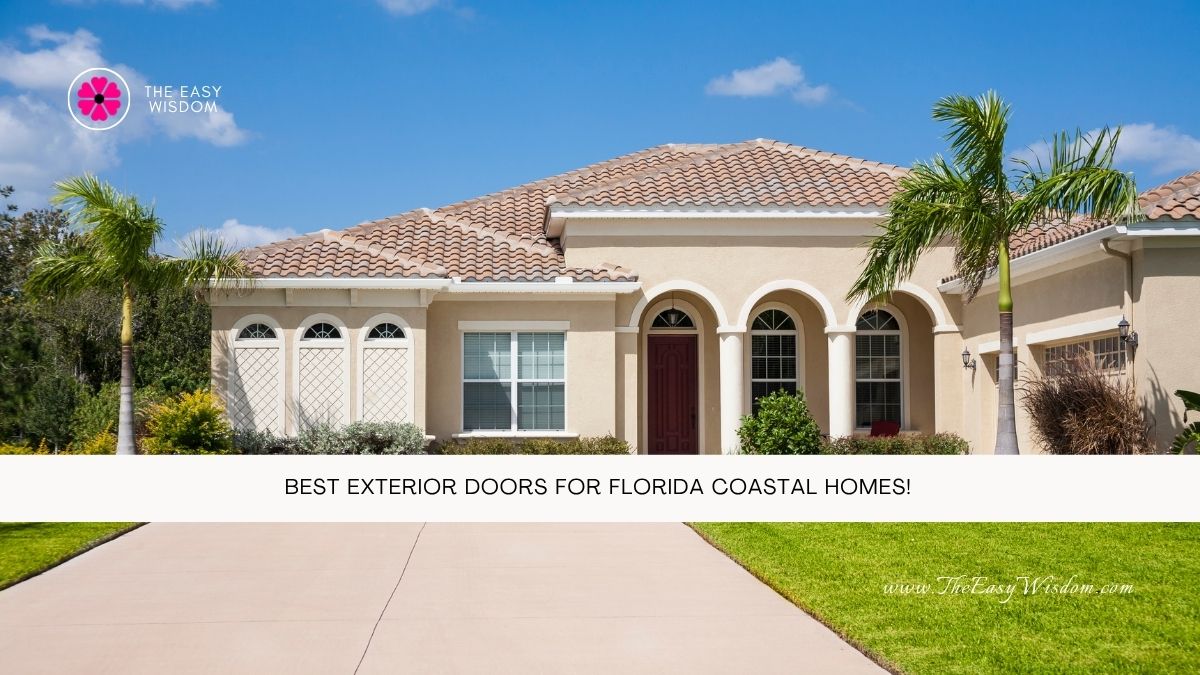
Florida coastal homes face a demanding mix of salt air, intense sunlight, humidity, heavy rain, and seasonal wind events. Whether a property sits on a Gulf-front lot, near the Atlantic, or several miles inland from the shoreline, exterior choices should be based on the home’s actual exposure rather than appearance alone.
For an entry renovation or new build, hurricane impact front doors from Grand Entry Doors illustrate the type of product category homeowners may consider when a project requires a door assembly designed for demanding wind and impact conditions. The right decision, however, involves more than the door slab. The frame, hardware, glass, weatherstripping, flashing, drainage, wall connection, and installation details all affect long-term performance.
Why Florida Coastal Conditions Change Material Choices
Coastal exposure can vary greatly from one neighborhood to another. An ocean-facing entry with little overhead cover may receive direct sun, wind-driven rain, and airborne salt more often than a shaded doorway on a protected street. Salt can contribute to corrosion on unprotected metal parts, humidity can prolong moisture exposure, and ultraviolet light can fade or degrade some finishes over time.
Wind-driven rain also makes small installation errors more important. Water can enter around poorly sealed frames, damaged weatherstripping, trim joints, and thresholds. That is why exterior components should be planned as a cohesive system, rather than selected as separate decorative items.
What to Check Before Selecting Materials
Start With the Site
Before choosing a door, trim, cladding detail, or hardware finish, evaluate the property’s shoreline distance, prevailing wind exposure, direct afternoon sun, drainage patterns, nearby pools or docks, and the amount of routine maintenance the household can realistically perform. A material that works well beneath a deep porch may require more attention when installed on an exposed west-facing elevation.
Confirm Local Requirements
Florida projects should be reviewed with the local building department, contractor, architect, or engineer before ordering materials. The Florida Product Approval database can help users review approved product configurations, including listed limitations of use. Verify the required design pressure, whether the opening is in a wind-borne debris region, the glazing requirements, and whether the selected installation method matches the approved assembly.
How Exterior Doors Support Storm Readiness
An exterior door is part of the building envelope. Its performance depends on the door panel, frame, hinges, locks, threshold, glass, fasteners, surrounding wall structure, and how all of these elements are installed. A high-performing door can fall short if its frame is improperly anchored, its sill cannot drain, or its latch does not engage correctly.
Features Worth Reviewing
- Design pressure or wind load rating appropriate for the opening.
- Impact protection or approved glazing where required.
- Frame connections and fasteners are specified for the assembly.
- Positive latching and multipoint locking are included in the approved design.
- Water-management details at the sill and threshold.
- Installation instructions that match the exact product configuration.
Terms such as “hurricane-proof” are broad marketing language, not a substitute for project documentation. Review approval numbers, test information, configuration limits, and installation instructions. Requirements may vary based on the site, opening size, building height, exposure, and jurisdiction.
Choosing Materials With Maintenance in Mind
Wood
Wood offers natural warmth and design flexibility, especially for traditional Florida, Mediterranean, coastal cottage, and classic Southern architecture. It needs careful sealing and regular inspection, particularly at lower edges, joints, glass stops, and areas exposed to repeated wetting. A maintenance plan should account for finish renewal before cracking or moisture intrusion develops.
Fiberglass
Fiberglass door systems can be a practical option when moisture resistance and low routine maintenance are priorities. They are available in many styles, but they still depend on sound flashing, weatherstripping, compatible hardware, and correct installation.
Metal and Composite Components
Metal doors, trim, and hardware can provide a crisp contemporary look, but coatings, cut edges, fasteners, and contact with dissimilar metals deserve close attention in salt-heavy settings. Composite and synthetic trim products may reduce concerns about rot and insect damage, though homeowners should still follow manufacturer guidance for fastening, expansion space, and finish care.
Hardware, Seals, Flashing, and Drainage
Small components often determine whether an entry remains easy to use. Hinges, strikes, locksets, closers, screws, sweeps, and weatherstripping should be selected for exterior exposure and checked regularly. Corrosion, loose fasteners, flattened seals, and a misaligned latch can allow water and air through a door that otherwise appears sound.
Flashing and drainage deserve the same attention as the visible door. FEMA’s guidance on reducing water intrusion through windows and doors emphasizes that windows and doors need installation, flashing, and sealing details that manage wind-driven rain. Avoid blocking intended drainage paths with excess caulk or trim, and follow the approved installation instructions for the specific assembly.
Balancing Coastal Style With Daily Performance
Storm-conscious design does not have to look industrial. Florida homes can use divided lites, paneled doors, transoms, sidelights, arches, color, and textured finishes while still prioritizing practical details. Consider how much glass faces the weather, whether the finish will quickly show salt residue, and whether the entry will remain comfortable and easy to operate during humid months.
For example, a large glazed entry can create an impressive first impression, but a more protected opening with thoughtfully sized glass and shading may simplify upkeep on a highly exposed elevation.
A Simple Florida Coastal Maintenance Plan
- Monthly: Rinse visible salt and dirt from exposed surfaces when practical.
- Every few months: Test locks, hinges, handles, sweeps, and weatherstripping.
- Twice yearly: Inspect finishes, seals, fasteners, thresholds, and drainage paths.
- Before storm season: Confirm every exterior door closes, latches, and locks fully.
- After major storms: Check glass, frames, hardware, seals, surrounding trim, and walls for visible damage or water entry.
Pre-Installation Checklist
- Confirm the rough opening size and wall construction.
- Verify the required rating for the specific property and opening.
- Review approval documents and installation limits before ordering.
- Match the door, frame, threshold, glass, seals, and hardware as one system.
- Confirm swing direction, clearance, and water drainage at the sill.
- Keep installation instructions and product documentation available on site.
- Use qualified installers familiar with Florida coastal openings.
The best exterior choices for a Florida coastal home begin with exposure, code requirements, and realistic maintenance expectations. When doors, hardware, finishes, flashing, and drainage are planned together, homeowners can create an entry that remains attractive and functional, and is better prepared for the outside climate.