
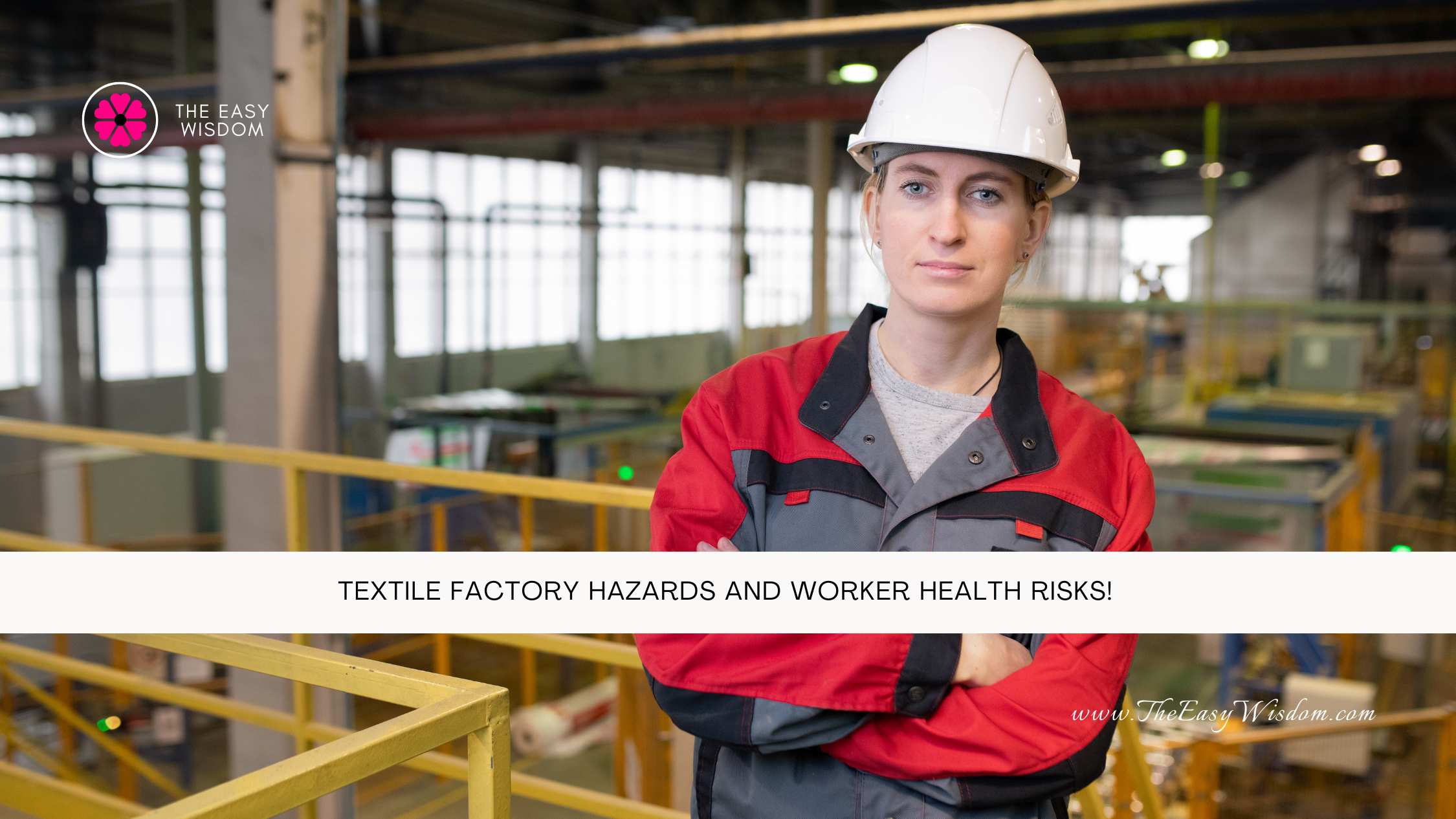
Despite the importance of textile factories to the world’s industrial sector, workers at these facilities are frequently subjected to a variety of occupational risks, the effects of which can be long-lasting and devastating. The United States Occupational Safety and Health Administration (OSHA) points out that working with textiles isn’t just tough—it can be risky too. People in this industry deal with chemical fumes from dyes, breathe in dust, handle heavy lifting, and work around a lot of noise.
Working in this industry could result in different illnesses. Workers may suffer lung diseases, skin problems, and even hearing loss. Other injuries include problems in their muscles and joints.
Learn the common hazards of working in textile factories for both your legal and health safety reasons.
Common Toxic Chemicals and Their Health Risks for Textile Workers
Exposure to harmful chemicals may induce health problems. Benzene is a petrochemical used in the textile industry. This chemical has been linked to a higher risk of blood-related cancer.
Formaldehyde can cause respiratory problems and skin irritations. The same with cotton dust. This one, on the other hand, can cause pulmonary ailment byssinosis, also called brown lung disease.
Toxic fumes coming from dyes and solvents used in dyeing plants thereby present a long-term health threat to those who work there. There is a higher risk of developing cancer and reproductive health issues for workers who are exposed to these hazards for prolonged durations.
Danger signs include cough or rash. Besides that, remember to wear protective equipment and voice against sound ventilation so as to reduce the risks of poisoning yourself.
Physical Strains From Repetitive Motions and Their Consequences
Repetitive motions in the workplace, like cutting, folding, and stitching, can be taxing to the joints and muscles and could result in long-term conditions like tendinitis and carpal tunnel syndrome.
To avoid such injuries, workers must always check their bodies for strain in their muscles and joints. Pause frequently and do some stretching exercises. As an alternative, take steps to lessen the possibility of these unfavorable consequences. Use ergonomic designs in the workplace.
Impact of Noise Pollution on Hearing and Mental Health
Textile factory machines create noise and vibrations that could hurt your hearing and cause anxiety and stress, affecting your concentration and ultimately becoming an obstacle to your focus, reducing your overall productivity.
To protect your hearing, it’s best to wear earplugs and find a quiet place. Request to keep the noise level in the office at a reasonable level. This could somehow help protect the hearing of workers, which could be helpful to protect their mental health.
The Psychological Impact of High-Stress Environments on Textile Workers
Working in textile factories may lead to feelings of stress due to the noise and excessive environment and might turn into mental diseases with acute stress over a period. You might feel very anxious, hyped up, or dejected if you’re trying to meet an extreme deadline.
Predictable tasks are likely to lead to job burnout, making it impossible to have motivation. This inability to sleep further aggravates the feeling of stress that is a normal part of the job.
Stress influences relationships and all other aspects of life in a negative way. It is important not to underestimate the adverse effects that psychological stresses can have. Ignoring this can mess up all that you have been building for so long.
Establishing how often to assess and acknowledge the problem is the first step in any emotional strategy that involves all the positive connections.
Effective Strategies to Mitigate Health Risks in Textile Factories
To lessen the danger to textile industry workers’ health, health policy must be put into action.
- Ventilation can help you stay away from dangerous chemicals and harmful particles.
- Regular safety training can keep everyone up-to-date on the dangers of not following safe work procedures.
- Wear protective gear as necessary. Make sure to take care of it to avoid injuries and repairs.
- Routine safety checks should always be done alongside impact assessments to find health problems early on. This way, the organization can give employees a way to voice their concerns when these problems may be closely tied to any hazards.
These effective strategies can combat harmful practices, increasing worker safety, which will boost morale and productivity.