
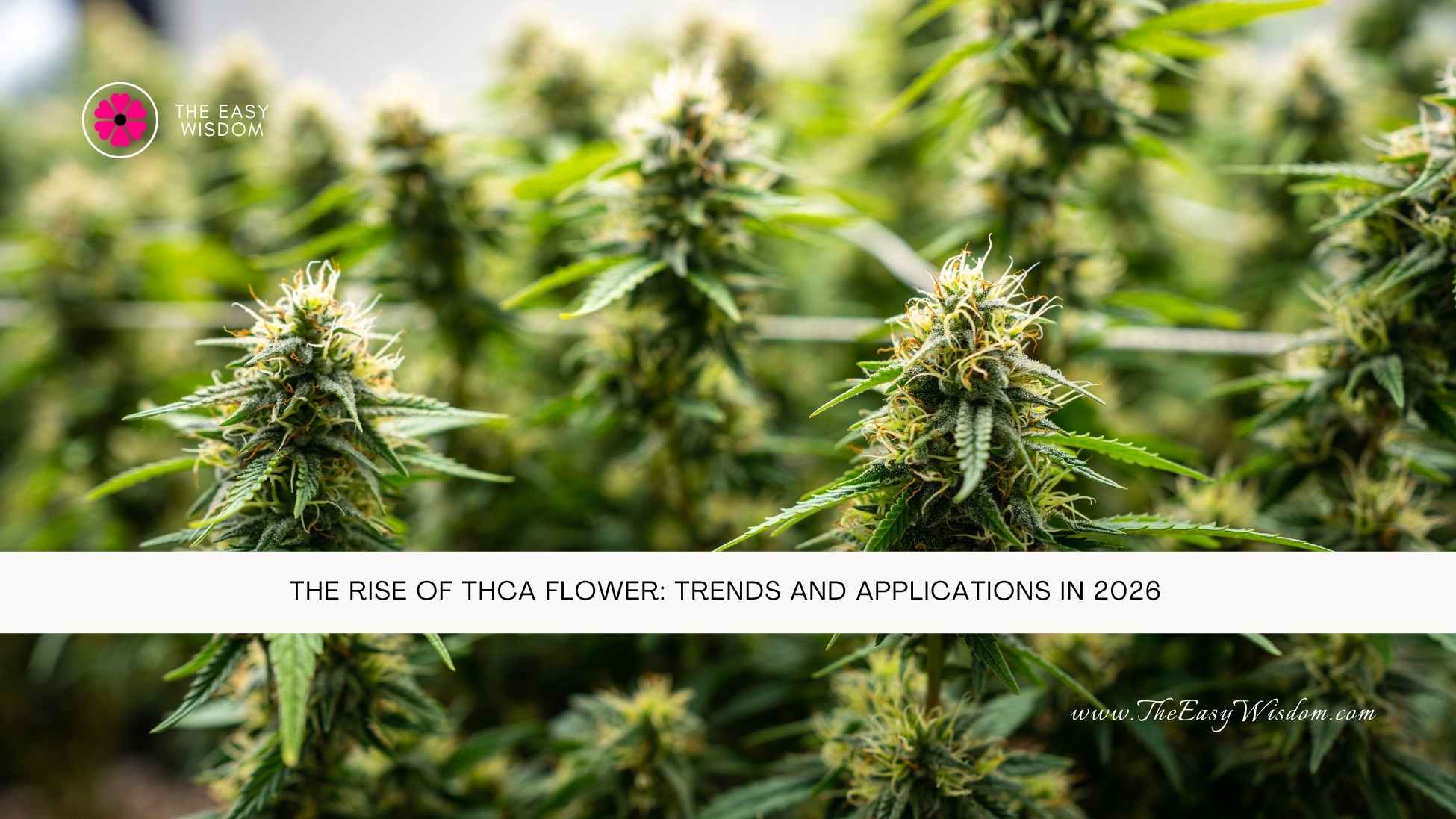
As the cannabis marketplace adapts to new innovations, THCA flower is rapidly gaining traction as an appealing alternative, both for seasoned consumers and newcomers to hemp-derived products. This unique cannabinoid, available as high-quality THCA flower, remains non-psychoactive in its raw form and transitions to THC when exposed to heat, reflecting a noteworthy shift in consumer preferences and cannabis product utilization.
The momentum behind THCA flower is driven by its unique appeal: it promises many of the therapeutic and recreational properties associated with cannabis, but with nuanced differences in effect, legality, and use. This growth is reshaping the way consumers interact with non-traditional cannabinoids and giving rise to new product categories.
Whether you are seeking information on the evolving market or interested in its potential uses and legal complexities, it is clear that THCA flower is shaping industry dynamics in 2026. As a focal point in dispensaries and wellness circles, its growing popularity signals a future in which such products could become mainstream.
Staying abreast of these changes can benefit both consumers and business owners as they navigate a landscape filled with innovation and regulatory shifts. THCA flower is no longer just a curiosity–it is a major player in today’s cannabis space.
Understanding THCA Flower
THCA, or tetrahydrocannabinolic acid, is the natural precursor to THC in cannabis plants. In raw form, THCA is not intoxicating. Only when heated, either by smoking, vaping, or during certain extraction processes, does it decarboxylate and become THC, which is psychoactive. As awareness of cannabinoid diversity grows, consumers are paying closer attention to THCA flower for its adaptability in use and broader accessibility, especially in regions with restrictive cannabis laws. This growing interest has encouraged producers to offer a wider selection of strains and products to meet varying consumer preferences. As with any cannabinoid product, understanding local regulations and reviewing product testing information can help consumers make informed purchasing decisions.
Market Growth and Consumer Demographics
The last two years have seen an extraordinary surge in THCA flower sales, with figures indicating over 340% growth from 2024 to 2026. This acceleration is attributed to several factors, including the diversification of available strains, changing attitudes toward wellness products, and the expanding customer base. Adults aged 45 to 65 are adopting THCA flower at higher rates, drawn by its wellness focus and evolving legal landscape. The number of unique THCA strains available is expected to exceed 100 by the end of 2026, offering consumers more options and encouraging further exploration of the market.
Legal Landscape and Regulatory Challenges
Despite its appeal, the legal environment surrounding THCA flower remains complicated. In Tennessee, for example, THCA flower accounted for up to 85% of hemp-derived cannabinoid sales, underscoring its dominance. Regulatory pushback has been a significant concern. The Tennessee Department of Agriculture attempted to introduce strict regulations that could have eliminated most THCA products, prompting industry lawsuits and the eventual withdrawal of the proposed rules in July 2025. Such disputes are common as states grapple with balancing public safety and consumer demand for cannabinoid-rich products.
Popular THCA Flower Strains
A key reason for the market’s expansion is the growing variety of THCA flower strains. Consumers in 2024 and 2025 have gravitated toward options such as Gelato, which offers a balanced, sweet profile, and Blue Dream, a strain celebrated for its energy- and creativity-boosting properties. These strains address a spectrum of consumer needs, from relaxation and stress relief to productivity enhancement. Brands are investing in developing distinctive genetics to ensure that there is a THCA strain for every type of consumer.
Potential Uses and Consumer Benefits
Consumer interest in THCA flower centers on its versatility and perceived wellness benefits. Some individuals report that it provides a gentle sense of relaxation or may help manage inflammation and discomfort. Because THCA flower is not psychoactive until heated, users can make edibles with precise control over potency or use the flower raw for certain wellness routines. The ability to smoke, vape, or infuse THCA flower into different recipes adds another layer of customization to the experience.
Quality Control and Lab Testing
Product safety and transparency are increasingly vital in the THCA flower industry. As the space matures, reputable producers are prioritizing third-party lab testing, clear labeling, and high cultivation standards. Consumers are encouraged to ask for certificates of analysis and inquire about the cultivation process, as these practices foster trust and ensure a safe product. Adhering to these standards will be crucial in the continued expansion of the THCA market and maintaining consumer confidence.
Future Outlook
Industry forecasts project that THCA products could capture up to 15% of the total legal cannabis market by 2028. As public acceptance grows and regulatory clarity improves, mainstream adoption seems more likely. Advances in breeding techniques, more rigorous quality testing standards, and broader acceptance in wellness arenas will help secure THCA flower’s place in dispensaries and beyond. Whether used recreationally or for its possible health benefits, THCA flower reflects a turning point for how cannabinoids are embraced on a national and global scale.
In summary, THCA flower is transforming the cannabis sector. With its robust sales growth, expanding consumer base, intriguing benefits, and unique regulatory puzzle, it stands out as a defining trend in 2024 and a harbinger of further evolution in legal cannabis markets worldwide.
THCA flower continues to shape the evolving cannabis market through expanding consumer interest, diverse product options, and increasing emphasis on quality and transparency. As regulations develop and research progresses, informed purchasing decisions and responsible use will remain essential, positioning THCA flower as an influential segment within the broader cannabinoid and wellness landscape.