Plumbing emergencies can strike at any moment, leaving homeowners in a frantic search for immediate solutions. Whether it’s a burst pipe, a clogged drain, or an overflowing toilet, the urgency to resolve the issue can’t be overstated. This guide aims to equip homeowners with the essential knowledge to handle such emergencies efficiently. We will delve into what to expect from emergency plumbing services, identify common plumbing issues, guide you on when to call for professional help, and outline the critical steps to take before the Plumber arrives. Understanding these elements can save time, prevent damage, and reduce stress during a plumbing crisis.
Emergency Plumber Services: What to Expect
When faced with a plumbing emergency, knowing what to expect from a professional service is crucial. Emergency Plumbers are trained to handle unexpected situations and are often available 24/7. They come equipped with specialized tools designed for quick and effective repairs. Additionally, they provide immediate solutions to mitigate damage, such as using an Indoor Air Quality Monitor to ensure that repairs don’t compromise air quality, particularly important after water damage.
Homeowners should also expect a thorough assessment of the problem. This can include evaluating potential issues related to Homeowners Association Compliance, especially if the repairs impact shared infrastructure or external areas. The goal of emergency services is not only to resolve the immediate issue but also to prevent future occurrences.
Common Plumbing Emergencies Homeowners Face
Plumbing emergencies vary in nature, but some are more prevalent than others. Burst pipes, for instance, can cause significant water damage and require immediate attention. Clogged drains are another frequent issue that can lead to water backing up in sinks or bathtubs, creating a sanitation hazard. Moreover, sewer system backups are a less common but severe problem that can disrupt household activities and pose health risks.
In multi-generational homes, plumbing systems may face additional stress, highlighting the importance of regular checks and maintenance. Utilizing a Home Energy Management System can help monitor water usage and detect anomalies early, preventing emergencies. Homeowners should also be aware of Eco-Friendly Renovation Standards when repairing or replacing plumbing systems, as these can offer sustainable solutions and reduce long-term costs.
Identifying When to Call an Emergency Plumber
Determining when to call an emergency Plumber can make a significant difference in the outcome of a plumbing issue. A general rule is to contact professionals when there is a risk of severe water damage or when basic troubleshooting fails. For instance, if a pipe bursts and water is rapidly flooding your home, immediate professional intervention is necessary.
Similarly, if you notice a sewage odor or hear gurgling noises from your drains, these are signs of a possible sewer backup, and you should contact a Plumber immediately. A Childproofing Assessment might also be prudent in homes with young children to ensure safety is maintained during such crises. Additionally, modern tools like Smart Home Integration can alert homeowners to leaks or unusual water usage, prompting timely action.
Steps to Take Before the Plumber Arrives
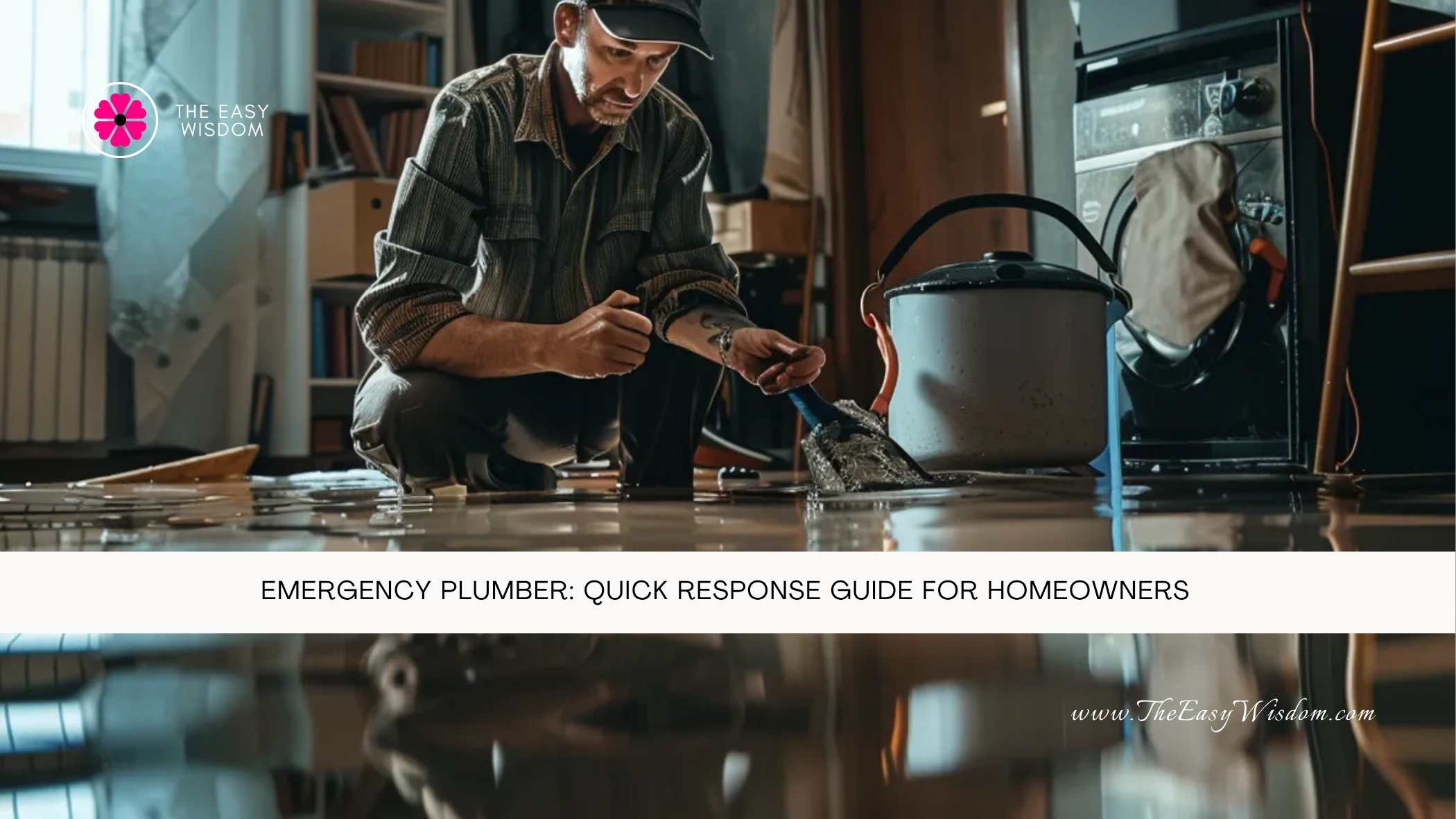
Before the Plumber arrives, there are several steps homeowners can take to minimize damage. First, turn off the main water supply to prevent further flooding. This is especially important in preventing damage as specified by Eco-Friendly Renovation Standards, which emphasize minimal environmental impact during repairs. Next, clear the area around the plumbing issue to give the Plumber easy access.
It’s also wise to document the damage for insurance purposes and to inform the Plumber of any past issues or repairs. For homeowners with modular furniture, rearranging pieces might be necessary to allow Plumbers to work efficiently. Understanding these preparatory steps can significantly alleviate the chaos during a plumbing emergency and expedite the repair process. A recent report by Consumer Reports underscores the importance of quick action and clear communication in such situations.
Handling a plumbing emergency effectively begins with understanding what services to expect, recognizing common issues, and knowing when to seek professional help. Homeowners can further mitigate damage by taking proactive steps before the Plumber arrives. These actions not only protect your home but also ensure the safety and comfort of your family. Being prepared can turn a potential disaster into a manageable situation, allowing homeowners to maintain control and peace of mind during unforeseen plumbing challenges.