


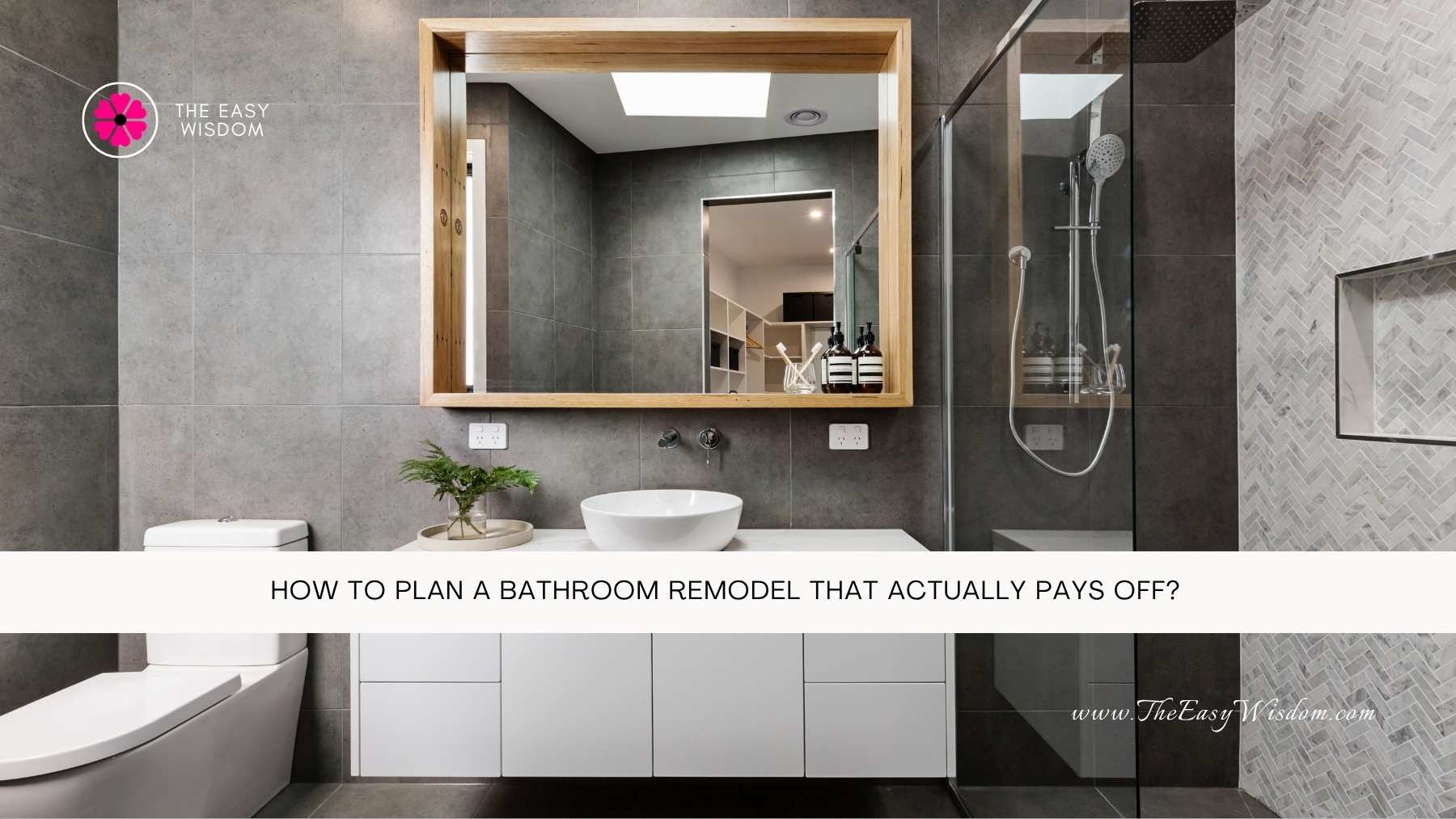
A bathroom remodel looks simple until you start pricing tile, moving plumbing, and comparing timelines. If you’re planning one, the real challenge is balancing daily function, resale value, and the budget you can live with. Before you commit to finishes or fixtures, it helps to understand what separates a smart remodel from an expensive do-over.
Start With How You Actually Use the Space
Before you think about finishes, pay attention to your routine. A bathroom that photographs well but slows down your morning won’t feel like an upgrade for long. If two people use the same vanity, one sink may create a bottleneck. If you store backup toiletries, towels, and cleaning products in the room, your layout needs real storage capacity, not just a sleek cabinet front.
This is the stage where measurements matter more than mood boards. Check door swing clearance, vanity depth, and how much room you have between the toilet and shower entry. Building code minimums are one thing; comfortable daily use is another. A good remodel starts with circulation, lighting angles, ventilation, and where clutter tends to collect. Once you understand those friction points, every design choice gets easier and more grounded.
If you’re considering changes to the layout, fixtures, or shower area, speak with a bathroom remodeler who understands installation requirements and practical construction details, not just showroom aesthetics. Professional input early in the process can help you identify what is feasible, avoid unnecessary changes, and make better use of your budget.
Budget for the Parts You Don’t Post Online
Most people build a remodel budget around visible upgrades: tile, faucets, mirrors, and maybe a frameless glass shower. Hidden costs usually hit harder. Subfloor repairs, moisture damage behind old surrounds, outdated shutoff valves, and electrical work can change the scope fast. If your home is older, expect at least a small surprise once demolition begins.
Keep a contingency fund of 10 to 20 percent. That isn’t pessimism; it’s project control. You should also ask for line-item estimates so you can see labor, materials, disposal, plumbing changes, and finish work separately. That level of detail helps you cut costs strategically without gutting the whole plan. Swapping premium tile for a mid-range option is manageable. Discovering too late that you underfunded waterproofing, exhaust upgrades, or prep work is where regret starts.
Wet Areas Deserve the Most Attention
Bathrooms fail from moisture before they fail from style. You can live with an outdated color scheme for years. Poor waterproofing, weak ventilation, and badly sealed transitions can quietly damage drywall, framing, and flooring long before anything looks wrong from the outside.
If you’re converting a tub to a shower or replacing an old enclosure, ask direct questions about the waterproofing system behind the finished surface. Surface materials aren’t the system by themselves. You want to know how seams are treated, how drainage is managed, and what kind of warranty is attached to the installation. Ventilation matters too. An undersized exhaust fan leaves humidity hanging in the room, which affects paint, grout, and air quality. In practical terms, the smartest money in a bathroom remodel often goes into the components no guest will ever compliment.
The EPA’s guidance on bathroom remodeling and indoor air quality explains why effective exhaust ventilation and moisture management matter during renovation. Reviewing these considerations before work begins can help you avoid problems that affect both the finished room and the rest of your home.
Layout Changes Can Be Worth It, but They’re Not Always Smart
Moving a toilet, shower drain, or vanity plumbing can improve the room dramatically, but it also raises labor complexity. Once you alter the footprint, you’re often adding plumbing reconfiguration, wall patching, flooring transitions, and permit-related inspections. Sometimes the result justifies it. Sometimes keeping fixtures in roughly the same locations frees up budget for better materials and cleaner workmanship.
Think about impact per dollar. Expanding a shower, lowering a threshold for easier access, or replacing a bulky vanity with one that improves movement can change how the room feels without tearing up the whole infrastructure. Design ideas land differently when they meet actual plumbing paths and structural limits.
Choose Materials for Maintenance, Not Just the First Impression
A bathroom gets used hard. Steam, soap residue, hard water spots, dropped products, and constant cleaning put every surface under pressure. Materials that look refined in a sample board can become high-maintenance fast if they show every streak or need frequent sealing.
This is where performance specifications help. Porcelain often gives you strong durability with low upkeep. Quartz counters resist staining better than some natural stone options. Larger-format wall panels or larger tiles can reduce grout lines, which means less scrubbing and fewer places for mildew to settle. Matte black fixtures look sharp, but they may show mineral buildup depending on your water quality. Try to think five years ahead. If the finish requires careful upkeep that you already know you won’t do, it’s not a practical upgrade for your household.
Water efficiency is another useful consideration when comparing fixtures. The EPA WaterSense program provides information about water-efficient products, including bathroom faucets, showerheads, and toilets. Choosing efficient fixtures can help reduce water use without making the room less comfortable.
Lighting Changes the Whole Room More Than Color Does
People often obsess over tile shade and vanity style while treating lighting as an afterthought. That’s backwards. Lighting controls how clean the room feels, how your skin tone looks in the mirror, and whether the space feels calm or clinical at night. A bathroom with average finishes and excellent lighting usually feels more expensive than one packed with premium materials under harsh illumination.
Layering works best. Overhead ambient light handles general visibility. Task lighting near the mirror reduces shadows for shaving, makeup, or skincare. Accent lighting can make a shower niche or toe-kick area feel more polished without adding visual clutter. Pay attention to color temperature too. Very cool bulbs can flatten the room and feel sterile. Slightly warm or neutral white tends to be easier to live with. Dimmers add flexibility and usually cost far less than most finish upgrades.
Accessibility Features No Longer Look Clinical
A lot of homeowners still hear “accessible bathroom” and picture a space that feels institutional. Current products have moved well past that. Curbless entries, wider shower openings, comfort-height toilets, handheld showerheads, built-in seating, and slip-resistant flooring can all look modern and intentional when planned early.
Even if you don’t need these features now, they can make the room safer and more usable for guests, aging family members, or anyone recovering from an injury. This approach is often called aging in place, but the bigger idea is flexibility. You’re building a room that can handle life changes without another renovation. If you’re already opening walls and replacing wet-area components, it makes sense to consider reinforcement for future grab bars or a layout with fewer tripping points. Those decisions rarely feel dramatic during construction, but they age well.
A Good Remodel Should Improve Daily Life and Future Value
The best bathroom remodels do more than refresh appearances. They reduce morning stress, clean up easier, improve storage, and hold their condition with less effort. If resale value matters to you, buyers tend to notice the same things you do over time: practical layout, clean finishes, modern ventilation, and signs that the project was built properly instead of dressed up quickly.
Try to evaluate every decision through two filters. First, will this make the room function better next week? Second, will it still make sense five or ten years from now? That mindset keeps you from chasing trends that fade fast or cutting corners that become expensive later. A successful remodel isn’t the one with the loudest before-and-after reveal. It’s the one you keep appreciating after the novelty wears off and the room simply works the way it should.


