

Key Takeaways
- Baby changing stations in public restrooms are crucial for accommodating families and promoting inclusivity.
- Legislative measures at various levels have been enacted to mandate the installation of these facilities.
- Best practices include ensuring accessibility, maintaining cleanliness, and providing clear signage.
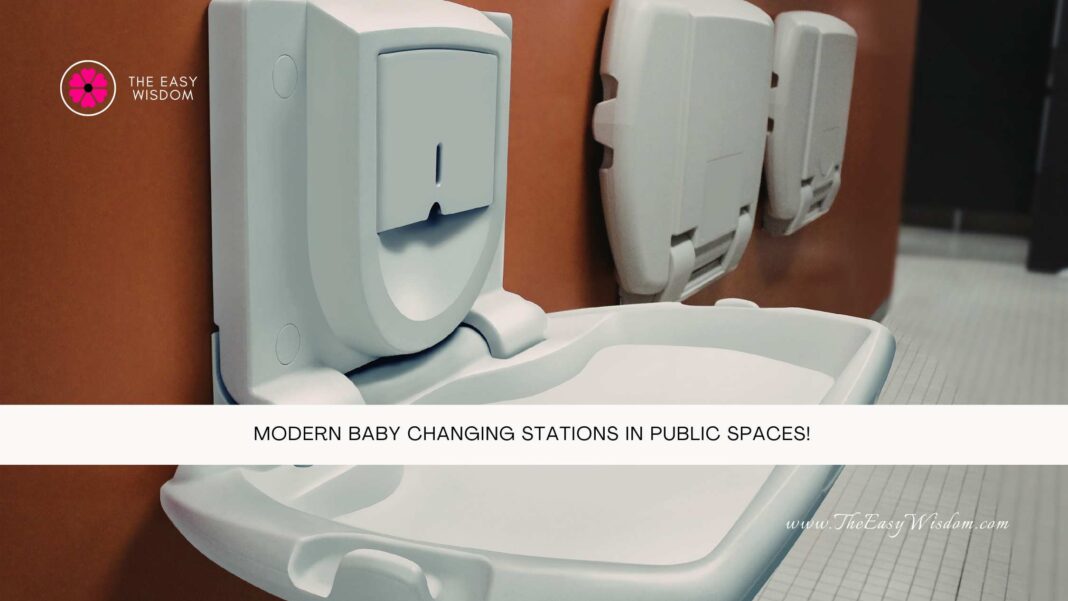
Public spaces play a vital role in shaping community quality of life, especially for parents and caregivers. Ensuring these spaces are equipped to meet families’ needs creates a supportive environment for everyone. One significant way to achieve this is by making baby changing stations readily available in public restrooms, an amenity that not only improves convenience but also underscores a commitment to inclusivity. Options like Babymedi demonstrate the growing focus on modern, hygienic baby care solutions for public venues.
When families have access to clean and safe baby-changing stations, it reduces stress and promotes participation in public activities, allowing parents and caregivers to tend to their infants with dignity. Such amenities signal a commitment to supporting community members of all ages and caregiving statuses. The inclusion of baby-changing stations reflects a growing recognition of diverse family structures and the roles various caregivers play, enhancing public life engagement and fostering belonging among different groups. This advancement encourages equitable use of public facilities by all caregivers, including fathers and non-binary guardians. Furthermore, the movement towards inclusivity is shaping government regulations and local initiatives aimed at standardizing baby-changing station installations. As policies and guidelines emerge, communities must prioritize best practices and implementation strategies to effectively meet the needs of modern families.
Importance of Baby Changing Stations
For caregivers, the value of accessible, hygienic changing stations in public spaces cannot be understated. Without these facilities, parents often face the dilemma of leaving their children in unsuitable or unsanitary locations. This can lead to embarrassment, discomfort, or health risks for both children and adults. By prioritizing baby changing stations, public spaces help remove these obstacles and encourage broader community engagement.
Baby changing stations are also a clear signal that a community is attuned to the evolving demands of family life. Providing these features not only supports local residents but also boosts tourism and the reputation of public venues as safe, family-friendly destinations. Investments in family infrastructure pay social dividends, as seen in progressive cities worldwide that have made accessibility and comfort central to their urban planning.
Moreover, the availability of these amenities benefits everyone by reducing congestion and crowding in restrooms, improving overall sanitation, and preventing situations where one group is prioritized over another. The practice also reflects a broader trend in modern facility management to embrace diversity, accessibility, and public health considerations.
Legislative Efforts
Governments are increasingly recognizing the significance of baby-changing stations in public restrooms, leading to legislative action. The Bathrooms Accessible in Every Situation (BABIES) Act of 2016 mandates the inclusion of baby-changing facilities in men’s and women’s restrooms within federal buildings, ensuring equal access for all caregivers. At the local level, New York City initiated a 2024 project that installed over 1,200 changing stations in public parks, setting a precedent for other cities. Similarly, Washington State passed House Bill 1562 in 2025, requiring all newly constructed public buildings to include accessible stations for caregivers of any gender. These initiatives reflect a significant evolution in public policy and infrastructure, showcasing the commitment of both national and local governments to support families as a civic duty rather than a mere convenience.
Best Practices for Implementation
Effective integration of baby changing stations requires thoughtful planning and ongoing commitment to quality standards. Several best practices have emerged to help cities, businesses, and institutions ensure that their facilities serve families well:
- Accessibility: Changing stations should be installed at a height that is usable by all adults, including those with disabilities. Compliance with universal design principles ensures that everyone can use these amenities.
- Cleanliness: Regular sanitation and timely maintenance are essential. Scheduled inspections and clear accountability procedures can help preserve hygiene and safety for users.
- Signage: Restrooms equipped with baby changing stations should be clearly marked with visible, intuitive signs. Directional signage at entrances and throughout facilities further supports ease of use for all visitors.
- Inclusivity: It is important to include changing stations in men’s, women’s, and gender-neutral restrooms. This approach acknowledges the diversity of caregivers and ensures equitable access for anyone responsible for a child’s care.
Facility managers should also consider integrating feedback mechanisms so that visitors can report any maintenance or access issues. Training cleaning staff on correct sanitation procedures is equally important, as is providing contactless disposal options for diapers and wipes.
Case Studies on Public Baby Changing Stations
New York City Parks
New York City’s rapid installation of over 1,200 baby changing stations in park restrooms by May 2024 illustrates the impact of proactive municipal planning. The city not only improved accessibility for local and visiting families but also set a new benchmark for urban inclusivity. Their initiative demonstrates that large-scale implementation is possible with determined leadership and thorough project management.
Los Angeles Initiative
In January 2025, the Los Angeles City Council advanced a motion to expand the availability of baby-changing stations in city-owned restrooms and initiated a study to extend similar requirements to privately owned businesses that serve the public. The commitment to both installation and future policy consideration highlights the city’s dedication to supporting all caregivers and their children across varied public venues.
Baby-changing stations have become indispensable in the design of inclusive, modern public spaces. Legislative mandates and innovative city programs highlight the essential nature of these facilities for supporting families of all backgrounds. Communities and businesses can follow established best practices to ensure these amenities are accessible, well-maintained, and available to everyone. Through comprehensive planning, investment in quality infrastructure, and a focus on equity, we can create public environments where all individuals, especially caregivers and children, feel welcome and accommodated.
Read Also: Quality Maternity Care Tips!