

Key Takeaways
- Ductless mini-split systems provide efficient heating and cooling without traditional ductwork.
- Zone control allows personalized comfort in different areas of the home.
- They improve indoor air quality through advanced filtration systems.
- Easy installation makes them ideal for renovations, additions, and older homes.
- Regular maintenance and smart controls help maximize efficiency and savings.
- Proper installation ensures reliable performance and long-term comfort.
Enhancing your home’s comfort and air quality has never been simpler or more accessible than with ductless mini-split systems. These versatile heating and cooling options are increasingly popular for homeowners who want control over their indoor environment without the complexities of traditional ductwork. To get the best performance and long-term value, it’s worth exploring what these systems offer and how to tailor them for your needs. For a closer look at a unit that is especially homeowner-friendly, consider the https://www.mrcool.com/product/diy-5th-generation for an example of an easy-to-install, high-efficiency ductless mini-split system. Ductless mini-split systems provide targeted comfort thanks to their independent zone control and high energy efficiency. Whether you’re outfitting a historic home, a new addition, or a room where ducts won’t reach, these systems offer a practical solution. They also stand out for their ability to refine air quality with robust multi-stage filtration, which can help reduce allergens and particulates throughout your living space. Unlike central HVAC setups, ductless mini-splits are easier to install and less invasive, leaving more of your home untouched during installation. They are valued for giving you the freedom to set individual temperatures in different rooms, ensuring that every zone is as comfortable as you’d like it. Whether you’re seeking comfort, energy savings, or improved air quality, these systems excel in a variety of settings. As energy costs rise and home comfort becomes a higher priority, ductless mini-splits can make your heating and cooling system more responsive and economical. They align well with smart home trends, enabling enhanced control over your environment and even further utility savings.
Understanding Ductless Mini-Split Systems
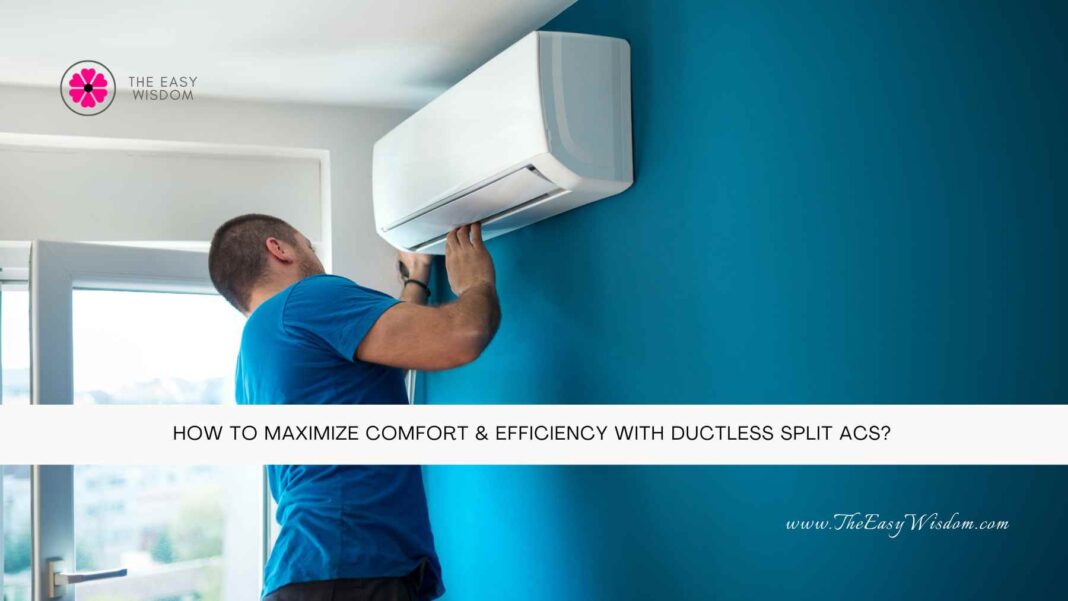
Ductless mini-split systems are composed of two main components: an outdoor compressor unit and one or more indoor air-handling units. Each indoor unit manages its own zone, running independently from other areas of your home. This independence allows for precise temperature settings in each room, greatly benefiting homes with differing heating or cooling needs across rooms or floors. The installation process is less intrusive than ducted systems. Instead of running large metal ducts through walls, installers drill only small holes to connect components through a conduit. This can be a significant advantage for retrofitting older properties, sunrooms, basements, or any space that lacks existing ductwork.
Benefits of Ductless Mini-Split Systems
- Energy Efficiency: Ductless systems sidestep the energy losses that can occur with ducted HVAC, which the U.S. Department of Energy estimates accounts for up to 30% of energy consumption for space conditioning.
- Custom Comfort: Each indoor unit’s thermostat enables personalized comfort in main living spaces, bedrooms, or additions.
- Improved Air Quality: Built-in filtration systems handle dust, pollen, bacteria, and other particulates, offering cleaner indoor air compared to many traditional systems.
- Versatile Installation: Their compact footprint and flexible piping allow for a variety of installation scenarios, from garages to finished attics.
Optimizing Your Ductless Mini-Split System
To get the most from your ductless mini-split, it’s important to approach maintenance and usage thoughtfully. Here are strategies to optimize comfort and efficiency:
1. Regular Maintenance
Consistent care keeps your system running quietly and reliably. Clean or replace filters every 2 to 4 weeks, especially during the high-use summer and winter months. Inspect indoor and outdoor components periodically for blockages, dirt, or signs of wear. Professional servicing once a year will help catch and resolve issues before they escalate, preserving both energy efficiency and your system’s longevity.
2. Optimize Temperature Settings
Clever use of your system’s controls can make a noticeable difference in comfort and cost. During hot months, set your mini-split to 75–78°F; in winter, aim for 68–72°F. These settings offer a good balance for most families, maintaining comfort without unnecessary energy use. Remember to adjust your choices depending on sunlight, window coverings, or occupancy patterns for each zone.
3. Utilize Smart Controls
Integrating smart thermostats or Wi-Fi-enabled controllers simplifies keeping each area of your home comfortable. Many ductless mini-splits now support smartphone apps, allowing you to fine-tune temperatures from anywhere. Voice control through assistants like Google Home or Amazon Alexa adds hands-free convenience. Automating schedules based on your daily habits can further trim your utility bills while preventing forgotten adjustments when you are away.
4. Ensure Proper Installation
Performance, efficiency, and even the lifespan of your ductless mini-split are closely tied to the quality of its installation. Always work with experienced technicians familiar with the manufacturer’s specifications. To ensure optimal airflow and coverage, indoor units should be located away from direct sunlight, major obstructions, or appliances that emit heat. The outdoor compressor must be installed in a well-ventilated space, shielded from swirling debris and from excessive heat sources. For comprehensive guidance tailored to your home’s unique layout or special challenges, consulting an HVAC expert can save you time and future headaches.
Practical Considerations and Cost Savings
When planning to install a ductless mini-split system, consider both the immediate installation process and the long-term impact on your utility expenses. While the upfront cost may seem higher than some window units or portable ACs, the efficiency and flexibility of mini-splits often result in lower energy bills over time. These savings can be especially notable in homes where only certain rooms need to be cooled or heated regularly. Moreover, local energy rebates or tax incentives may be available for choosing energy-efficient equipment, further reducing your overall investment. Taking advantage of these programs can make your upgrade significantly more affordable and boost your home’s value in the long run. It’s also helpful to think about sizing your system correctly. Oversized or undersized equipment can affect both energy use and comfort, so have a professional perform a load calculation tailored to your home’s specific needs. This ensures you receive the full performance benefits without wasting energy. With the right system and attention to detail, you can experience reliable climate control and significant cost advantages well into the future.
Ductless mini-split systems can transform your living space by delivering efficient, personalized comfort exactly where you need it. By carefully selecting the system, professionally installing it, and maintaining it regularly, homeowners can enjoy improved energy efficiency, cleaner indoor air, and reliable year-round climate control. These systems provide the flexibility to adjust temperatures in individual rooms, making them ideal for different lifestyles and home layouts. Their compact design and easy installation also make them a practical choice for renovations, additions, and spaces without existing ductwork. With advanced features such as smart controls and remote access, ductless mini-splits offer greater convenience and energy management for today’s connected homes. By investing in a properly designed and maintained system, homeowners can create a more comfortable, efficient, and healthier indoor environment while benefiting from long-term performance and value.