


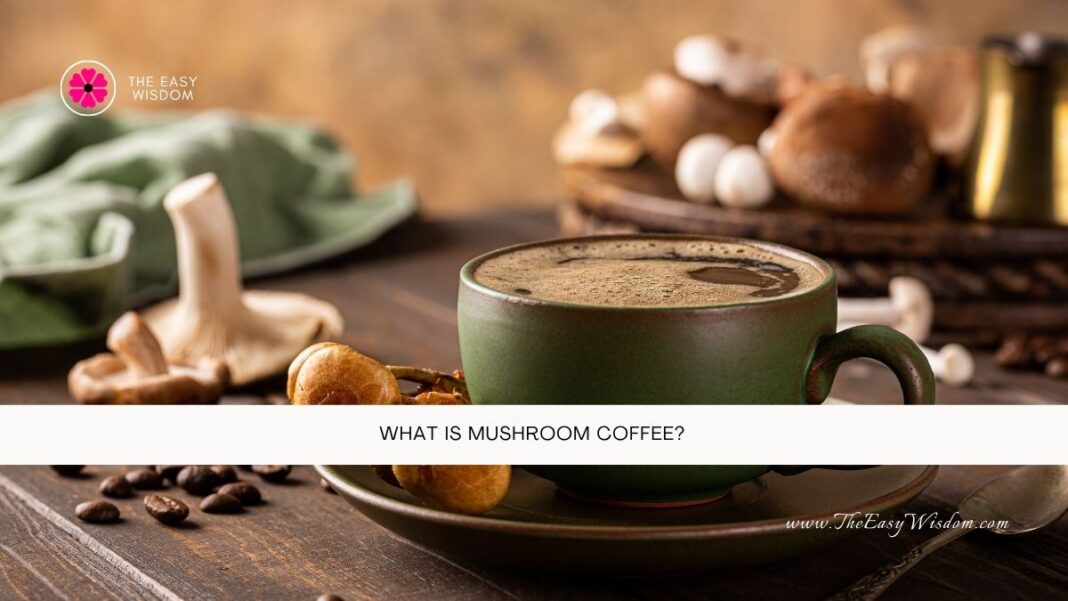
Mushroom coffee brings coffee and mushroom ingredients together in one cup. Mr. Mushroom builds on that idea with arabica-based blends made for your daily coffee ritual.
Get to know what goes into a blend, how it is made, what shapes its flavor, and what to look for when choosing yours.
What is Mushroom Coffee?
Mushroom coffee combines coffee with mushroom ingredients, usually extracts or powders. Some blends use instant coffee for a quick, stir-in cup; others use ground coffee that you brew. The recipe gives each blend its own character.
Prefer tea? Matcha-based blends offer another way to build the ritual, with green tea as the base instead of coffee.
Three useful things to know:
Extract is not the same as whole mushroom powder. An extract is made by taking selected constituents out of a starting material with a solvent, such as water. A milled powder is the dried material ground down. Both can be powders in the finished pack.
Get to know the species. The ingredient list identifies the mushrooms used in a blend. Lion’s mane, for example, is listed as Hericium erinaceus.
Coffee-free does not necessarily mean caffeine-free. Tea, including matcha, contains caffeine too.
What’s in it?
The fungi
Names you may encounter include lion’s mane, reishi, chaga and cordyceps. Common names are only a starting point. The Latin species name, fungal part and method of preparation tell you much more about the ingredient.
Lion’s mane, for example, is Hericium erinaceus. Its familiar white spines belong to the fruiting body. Mycelium is another part of the fungus. An extract made from one should not be assumed to have the same composition as a powder made from the other.
Look for both the species and the part used, such as fruiting body. Together with the preparation method, these details help you compare like with like.
The ingredients that aren’t fungi
Mushrooms are one part of the recipe. You may also find ginseng, rhodiola, maca or ashwagandha, alongside ingredients such as L-theanine. The full ingredient list shows how the blend comes together.
These ingredients have their own specifications and warnings. A product containing several botanicals needs to be considered as a whole formula.
The rest of the sachet
Sweeteners, flavourings, fibres, proteins or other ingredients can change the taste and texture. Read the whole ingredient list, including allergens and directions, rather than stopping at the mushroom name.
These supporting ingredients are part of the recipe too. They help distinguish a plain coffee blend from a vanilla, mocha or tea-based drink.
How is it made?
A fungal extract may pass through four broad stages:
- Cultivation and harvesting.The material and growing method should be identified. Growing times vary with the species, strain and production system.
- Extraction.A solvent extracts constituents from the starting material. The solvent and process influence what ends up in the extract.
- Testing and specification.The supplier defines what will be measured and the limits the ingredient must meet.
- Blending.The ingredient is combined with the coffee and the rest of the formula.
A ratio such as DER 8:1 describes the relationship between the input material and resulting extract on a stated basis. Ask whether it refers to the native extract, before carriers are added, or to a finished preparation. It does not mean eight times the benefit.
A statement such as “30% polysaccharides” needs its own test method and supporting results. Polysaccharides are a broad group. That figure is not interchangeable with a beta-glucan percentage.
What does it taste like?
Coffee-forward blends start with the familiar flavour of coffee. Vanilla and mocha offer different directions, while the extracts, amount of water and your choice of milk shape the finished cup.
For a closer look at flavour and preparation, read What Does Mushroom Coffee Taste Like?
How much caffeine?
Check a caffeine declaration for the actual serving, or ask the manufacturer. The weight of coffee powder alone does not establish the caffeine dose, and other ingredients such as tea or cocoa may contribute.
Coffee powders vary in caffeine concentration. Our caffeine guide explains how to compare servings and find the information you need.
How to make it?
Start with the directions for the particular pack. Instant sachets are generally mixed into liquid; ground-coffee products need the preparation method stated by their maker.
Stir well, let the drink cool to a comfortable temperature and make it yours with the milk you enjoy. Adjust the liquid within the pack directions while keeping to the recommended product serving.
What to look for on a label?
- The speciesand a clear ingredient identity.
- The fungal or plant part, such as fruiting body, mycelium, root or leaf.
- The preparation, including extract details where relevant.
- The tested specification, with a clear distinction between polysaccharides and beta-glucans.
- The amount per serving, plus caffeine where needed.
- Directions, warnings and allergensfor the whole formula.
Use our six-point label checklist for a practical way to read those details.
Exploring the Mr. Mushroom range
For a coffee-forward starting point, explore Original Blend. Prefer a flavour twist? Try Phantom Vanilla or Supreme Mocha. For a tea-based ritual, discover Magic Matcha. Each product page has the details to help you choose.
Our Science page provides a place to explore ingredient research. A study of an ingredient is not automatically a study of the finished drink.
Read the whole formula
Read benefit statements alongside the full ingredient list, serving directions and warnings. Check which ingredient each statement refers to so you can choose a blend that fits your routine.
Frequently asked questions
Does mushroom coffee contain whole mushrooms?It depends on the product. It may contain a fungal extract, milled material or a mixture. The label should identify the preparation.
Does it have less caffeine than ordinary coffee?It might, but the category name cannot tell you. Compare caffeine per stated serving.
Will it taste of mushrooms?Coffee-forward blends lead with coffee flavour, with other notes coming from the ingredients and preparation. Our taste guide explores those differences.
Can I drink it every day?Follow the pack’s daily dose and warnings. Suitability depends on the whole formula and your circumstances, as well as caffeine.
Sources and further reading
- EFSA: caffeine and its sources.
- Ludwig et al. (2014): variation in coffee composition.
- Cornell Small Farms: cultivation stages.
- EMA: extract terminology. This medicinal-product guideline is cited for definitions, not as food-supplement approval.
- Sweeney et al. (2026): glucan measurement and formulation effects.
- UK government: nutrition and health claims guidance.
Food supplements are not a substitute for a varied, balanced diet. Follow the pack directions and do not exceed the recommended daily dose.
This article was originally published on: https://mrmushroominc.com/what-is-mushroom-coffee/