


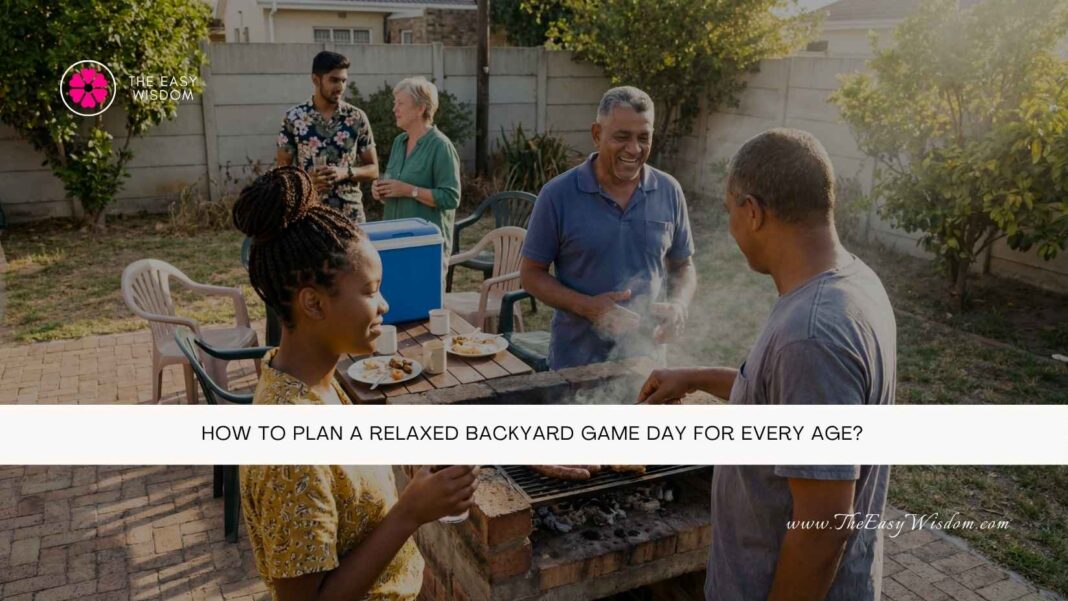
A backyard game day can be one of the easiest ways to bring children, teens, parents, grandparents, and neighbors together without requiring a formal party plan. A few flexible activities, comfortable places to sit, and room for people to participate at their own pace are usually enough. If cornhole will be part of the lineup, https://www.cornholeworldwide.com offers board and bag options suitable for a casual backyard setup.
The goal is not to create a perfectly timed tournament or turn every guest into a competitor. A successful mixed-age game day gives people reasons to laugh, talk, move around, take breaks, and rejoin the fun whenever they are ready.
Why a Mixed-Age Game Day Works
Simple games create natural opportunities for conversation because guests have something in common to respond to. A child can celebrate a lucky toss, a teen can coach a teammate, and an older guest can keep score or offer playful commentary from a chair. Short rounds work especially well because nobody is locked into an activity for too long.
For example, one family might begin with a tossing game, pause for drinks and snacks, then divide into mixed teams for a relay. Guests who prefer a quieter pace can play cards at a patio table or watch the action until a game catches their interest. The variety keeps the day social rather than overly competitive.
Set the Goal Before Choosing Games
Choose the feeling you want before buying supplies, assigning teams, or making a schedule. That decision helps you avoid planning more activities than your group will realistically enjoy.
- Relaxed gathering: Prioritize casual play, conversation, and games people can join midway through.
- Friendly competition: Use simple scorecards, short brackets, and modest prizes such as snack bags or homemade certificates.
- Family celebration: Combine games with food, music, birthday moments, or a group photo.
- Community event: Set up separate stations so people can circulate instead of waiting for one long game to end.
Choose Games With Flexible Skill Levels
Build a balanced activity list rather than expecting a single game to entertain everyone for hours. Three to five options is usually plenty for a backyard event, especially when each one offers a different kind of participation.
Good Game Categories to Include
- Tossing game: Cornhole, beanbag toss, or a laundry-basket target encourages light competition without demanding speed.
- Adjustable target game: Ring toss, ladder toss, or soft-ball target throws can be made easier by moving the throwing line.
- Team relay: Use cones, cups, or household objects for a simple walking, balancing, or passing challenge.
- Low-impact options: Bocce-style rolling games, giant dice, or seated balloon volleyball can welcome guests who prefer to avoid running.
- Quiet table game: Cards, dominoes, trivia, or a puzzle gives people a comfortable break between outdoor rounds.
Include at least one active game, one accuracy game, and one low-pressure option. Guests then have more than one way to take part, whether they want to move, compete, socialize, or simply observe.
Plan a Safe and Simple Yard Layout
A thoughtful layout matters as much as the game selection. Walk through the space before guests arrive and identify where players, spectators, food, and children can move without crossing into a throwing lane.
- Remove hoses, tools, loose toys, and other trip hazards.
- Keep toss-and-target games away from food tables, grills, and main seating areas.
- Leave clear paths between stations so guests can move around easily.
- Set chairs along the edge of the action rather than directly behind targets.
- Place water, shade, and rest areas within easy reach of every activity.
If young children are attending, create a simple boundary around the most active game area. Bright cones, chalk lines, or a few chairs can signal where spectators should stand without making the yard feel restrictive.
Adjust Rules Without Losing the Fun
Fair play does not always require identical conditions. Small adjustments can give beginners, children, and experienced players a meaningful chance to contribute while keeping the game enjoyable for everyone.
- Move younger players or guests with limited mobility closer to the target.
- Allow beginners an extra toss or a practice round before scoring begins.
- Use mixed teams rather than individual rankings.
- Offer bonus points for teamwork, creative team names, or good sportsmanship.
- Keep rounds short so players do not spend too much time waiting.
Build a Loose Event Schedule
Structure helps guests understand what is happening next, but a backyard event should still leave room for conversation and spontaneous play. Think of the schedule as a guide, not a strict program.
Sample Three-Hour Schedule
- 0:00 to 0:20: Arrival, drinks, and casual warm-up games.
- 0:20 to 1:00: First main game with flexible teams.
- 1:00 to 1:20: Snack break and open play.
- 1:20 to 2:00: Second activity or a short tournament.
- 2:00 to 2:30: Food, conversation, and quiet games.
- 2:30 to 3:00: Final challenge, group photo, and prize awards.
Give Every Guest a Role
Not everyone will want to play every round, and that is perfectly fine. Give non-playing guests a role that feels optional yet useful, such as scorekeeper, photographer, music coordinator, rule reader, team captain, or snack-station helper. Asking the group to vote on the final game can also make hesitant guests feel more invested in the day.
Plan for Food, Shade, and Weather
Comfortable guests stay longer and enjoy more of the event. Set out water before anyone asks, offer simple snacks that are easy to eat between games, and keep hot food away from active play areas. Serve food in smaller batches to keep it fresh while people rotate through activities.
On warm days, schedule the most active games during cooler parts of the day and build in shade breaks. According to CDC guidance about heat and your health, people spending time outdoors in the heat should stay cool, stay hydrated, and take breaks, so this approach helps make your gathering more comfortable.
Check the local forecast before confirming the schedule, and prepare a backup plan for rain, strong wind, or excessive heat. A covered patio, garage, or indoor room can become a card-game area, snack space, or simplified game zone if conditions change.
Keep the Day Affordable
A memorable game day does not depend on expensive equipment or decorations. Use household items as relay markers, borrow folding chairs and coolers, reuse signs from previous gatherings, and ask guests to bring a snack or drink if they offer. One small prize per team is often more than enough, because the shared experience is the main reward.
Use a Quick Host Checklist
- ☐ Confirm the guest count.
- ☐ Select three to five games.
- ☐ Adjust rules for different ages and abilities.
- ☐ Mark safe playing areas and clear walkways.
- ☐ Set out water, shade, snacks, and trash bags.
- ☐ Prepare scorecards or post simple rules on a visible sign.
- ☐ Charge phones and cameras.
- ☐ Create a weather backup plan.
- ☐ Ask one person to help keep the schedule moving.
The best backyard game days do not require perfect athletic skills, elaborate prizes, or a packed itinerary. They give guests easy choices, flexible rules, comfortable breaks, and plenty of reasons to laugh together. With a few well-chosen games and a welcoming setup, your backyard can become a place where every generation has a reason to join in.