


Most people spend the bulk of their time indoors, which means the layout, lighting and furnishing of a living space have a direct bearing on how they feel day to day. Rooms that are dim, crowded or uncomfortable to sit in tend to leave people tired and less inclined to relax, while rooms that are bright and easy to use make it simpler to switch off at the end of the day.
Four changes are worth making first in everyday rooms, and none of them need building work or a large budget. Each one makes a space you already use easier to enjoy, for working from home, cooking or sitting down with the family, and most can be finished in an afternoon.
Let in More Light
Clear whatever blocks the windows first, since daylight is the cheapest light a room can have. Heavy curtains can be swapped for lighter fabrics, furniture can come away from the sills, and a mirror opposite a window sends brightness further into the room. After dark, warm bulbs in living rooms feel welcoming, while cooler light in kitchens and studies keeps people alert for tasks.
Invest in Comfort
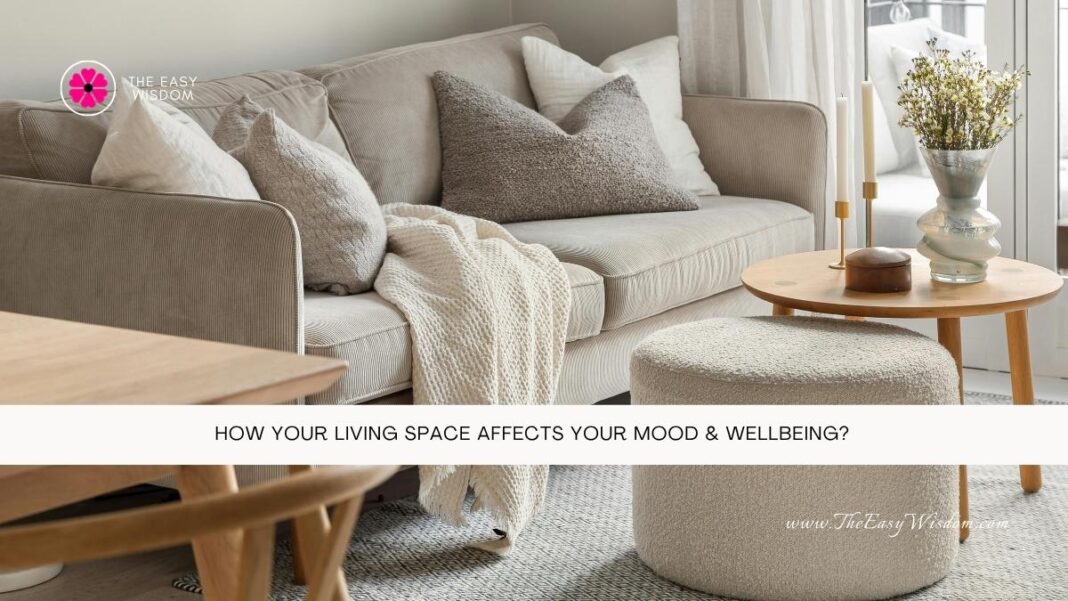
Seating in the main living area is used constantly, so one well-chosen centrepiece is worth spending properly on. A luxury sofa with deep seats and supportive cushions gives the household somewhere to unwind, read and reconnect, and it’s likely to be used every day. Add a throw, a side table within reach and a lamp at the right height, so sitting down comes with everything needed for a proper rest, whether that’s an hour with a book or a film in the evening.
Bring Order and Greenery Into the Room
Surfaces: Keep tables, shelves and worktops clear of anything that doesn’t belong there, because visible piles tend to pull attention away from rest and make a room feel busier than it really is. A small tray for keys and post gives loose items a place to land, which leaves the rest of the surface free for what you actually use.
Storage: Give each type of belonging a fixed home, such as a basket for magazines and a row of hooks by the door for bags and coats, so tidying takes a few minutes rather than an entire evening and everyone in the house knows where things go.
Plants: Houseplants are an easy way of bringing nature indoors, and a single, carefully chosen houseplant with lush green leaves can be enough to lift a dull corner. Easy-care types such as pothos or spider plants forgive the odd missed watering, so they suit busy households with little time to spare.
Start With One Room
Changing everything at once rarely lasts, so choose the room you use most and make one adjustment, whether that’s moving a chair nearer the window, clearing a shelf or swapping a bulb. Live with it for a few days and notice whether the space feels easier to relax in, and only then add the next change, because the aim is a home that’s easier to be in rather than a full redesign.